
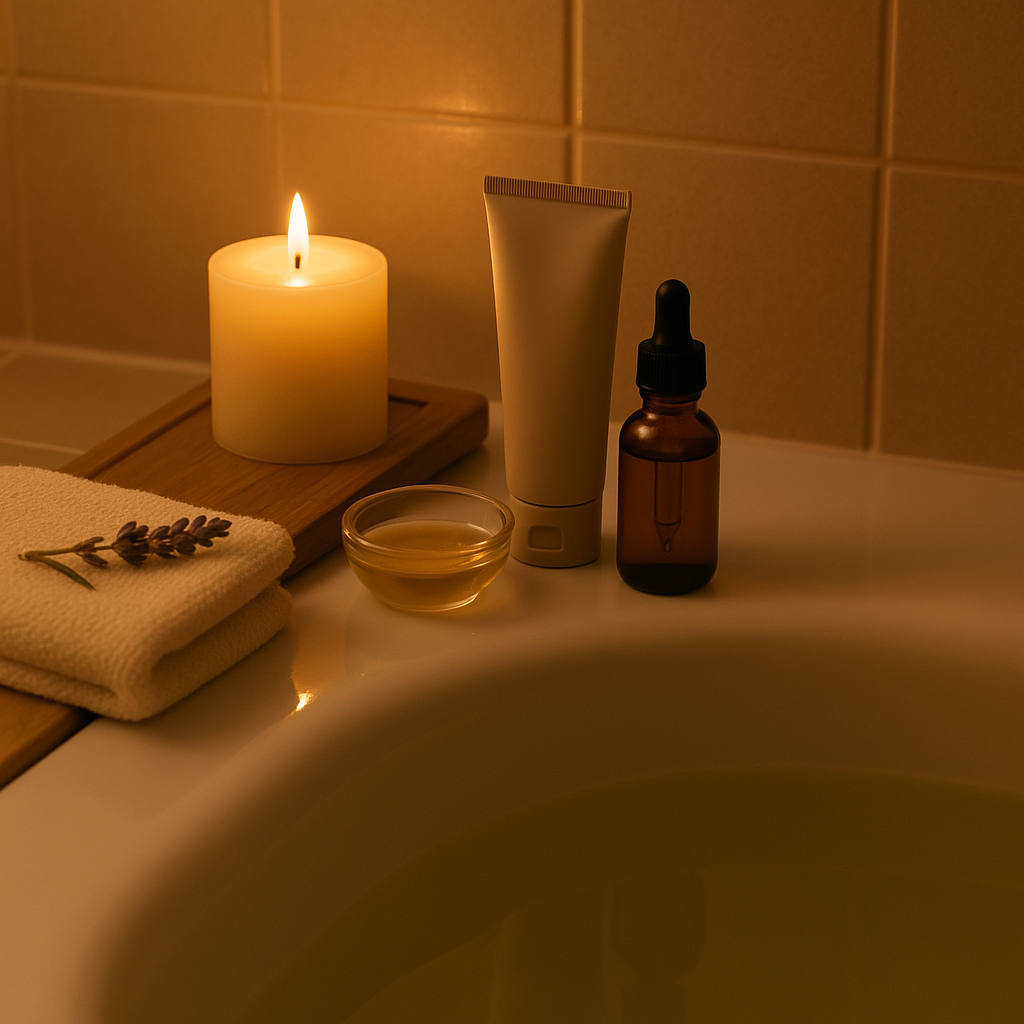
Retinol is widely known for its ability to help improve the appearance of dull, uneven, or tired-looking skin. While many people use retinol on the face, body retinol is becoming a popular part of evening routines—especially for those who want a smoother, more luminous-looking finish across areas like the arms, legs, shoulders, or décolletage.
This guide explains how retinol fits into a night body routine, how to apply it properly, what to pair it with, and how beginners can ease into it safely.
Understanding What Retinol Does (in Cosmetic, Non-Medical Terms)
Retinol is a cosmetic ingredient often used in skincare formulas designed to help:
- Support a more even-looking tone
- Enhance surface radiance
- Improve the look of dry or tired-looking skin
- Promote a smoother-feeling texture
- Support a more refined, luminous appearance over time
When used correctly on the body, retinol can help skin feel softer and look more polished, especially when paired with nourishing moisturizers.
Part 1 — How Retinol Fits Into Your Evening Body Routine
A night routine is the ideal time for body retinol because it is typically applied to clean skin and left undisturbed overnight. Here is how it fits into a structured evening routine:
Step 1 — Start With a Warm Shower
Cleansing helps remove oil, sweat, and sunscreen so retinol can sit comfortably on the skin.
Opt for a gentle body cleanser—not exfoliating—on the nights you plan to apply retinol.
Step 2 — Pat Skin Dry, Leaving It Slightly Damp
Retinol does not need fully dry skin, but slightly damp skin may help follow-up moisturizers spread more evenly.
Step 3 — Apply a Small Amount of Body Retinol
Use a thin, even layer on targeted areas.
Common application zones:
- Arms
- Legs
- Shoulders
- Back
- Décolletage
Avoid sensitive areas unless the product specifically states it is suitable for them.
Step 4 — Follow With a Hydrating Body Cream or Oil
Moisture support is essential when using retinol on the body.
Layering a moisturizer afterward helps:
- Support barrier comfort
- Reduce dryness
- Leave the skin feeling soft and conditioned
Look for creams or oils with nourishing but gentle ingredients such as shea butter, squalane, plant oils, ceramides, or aloe.
Step 5 — Start Slowly (Frequency Matters)
Beginners should start with:
- 2 nights per week for the first 2 weeks
- Increase to 3–4 nights per week if the skin feels comfortable
Retinol is a gradual-use ingredient; consistent, long-term use supports a more radiant and smoother-looking appearance.
Part 2 — How to Layer Retinol With Other Body Products
Pair Well With:
- Hydrating creams
- Nourishing oils
- Sensitive-skin-friendly lotions
- Body butters
Be Cautious Combining With:
Avoid using retinol alongside body scrubs or exfoliating acids on the same night. Save exfoliation for separate days to maintain comfort.
Part 3 — Who Benefits Most From a Body Retinol Routine?
People who want to:
- Support a more even-looking tone
- Improve the look of dull or dry skin
- Achieve smoother-feeling texture
- Enhance overall radiance
- Build a more elevated night routine
Retinol is not only for facial skincare—body care can benefit greatly from targeted radiance-support formulas.
Part 4 — Pro Tips for a Radiant, Comfortable Retinol Routine
1. Moisturize First If You Have Sensitive Skin
Applying cream before retinol creates a buffer for gentler use.
2. Use Only at Night
Retinol is best used in the evening routine.
3. Patch Test Before First Use
Apply a small amount to one area for 24 hours to ensure comfort.
4. Stay Consistent
Retinol supports gradual, long-term cosmetic improvements.
5. Avoid Overuse
More is not better—thin layers and scheduled use work best.
FAQs
1. Can I use retinol on my entire body?
Yes, many body retinols are designed for larger surface areas. Start with targeted zones and expand gradually.
2. Do I need to moisturize after using body retinol?
Yes. Moisturizing afterward supports hydration and creates a comfortable finish.
3. How long until I notice a more radiant look?
Retinol is gradual. With consistent nighttime use, the skin may begin to look smoother and more refined in appearance over time.
4. Can I use exfoliating scrubs and retinol together?
Not on the same night. Alternate between exfoliation evenings and retinol evenings.
5. Is retinol safe for sensitive skin?
Many people with sensitive skin can use retinol by starting slowly and buffering with moisturizer. Patch testing is recommended.
Final Recommendation
Retinol can elevate a body routine by helping support radiance, smoothness, and a more refined-looking tone.
By layering it with hydrating creams and using it consistently at night, anyone can build a polished and effective body ritual that enhances the skin’s overall appearance.