
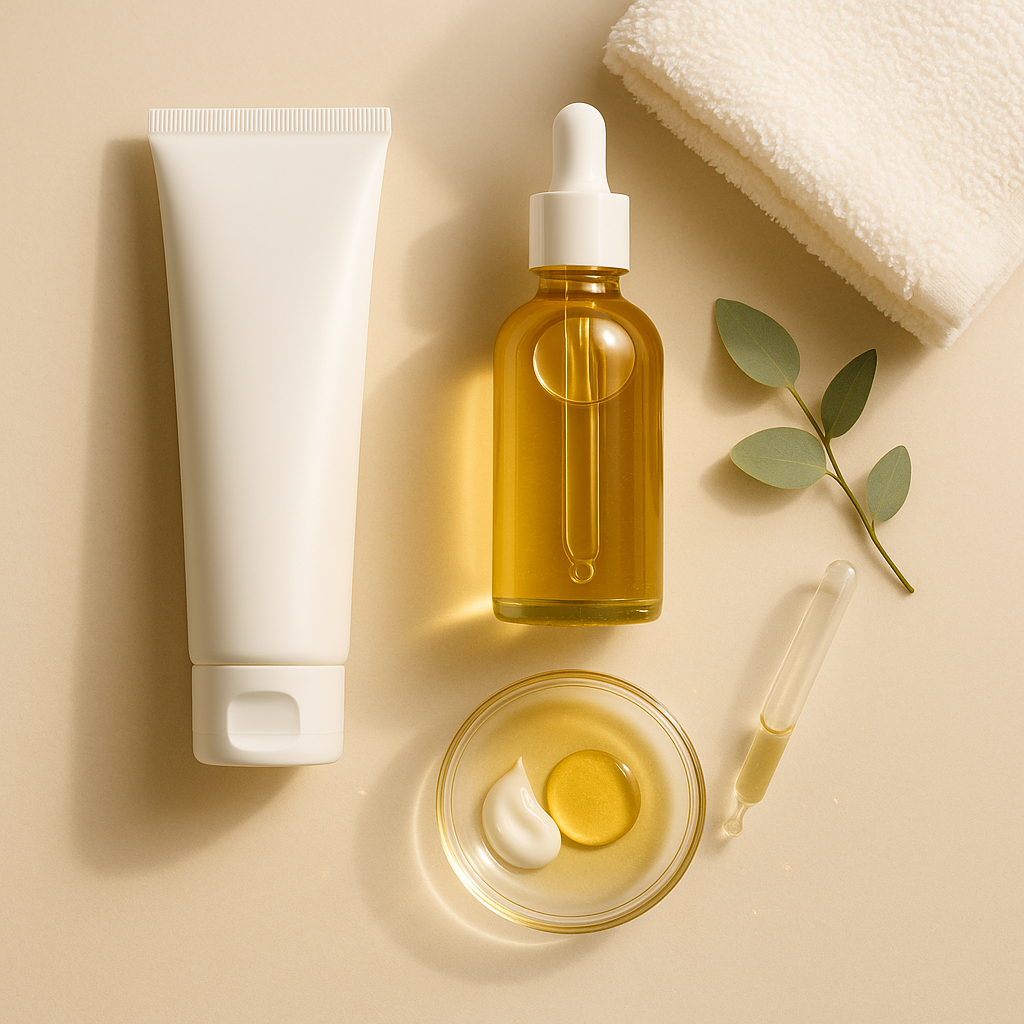
Body lotions and oils can work exceptionally well together when layered correctly. The right order and technique help the skin look more radiant, feel softer, and maintain hydration throughout the day or night. This guide breaks down the exact order, amounts, and routines that support a more luminous finish without heaviness or greasiness.
Why Layering Matters
Lotions and oils serve different functions on the skin:
- Lotions deliver hydration through humectants and lightweight emollients, helping the skin feel smoother and more comfortable.
- Oils seal that hydration in and provide a soft sheen that enhances the appearance of radiance and surface smoothness.
Layering combines both benefits, creating a finish that is hydrated, nourished, and visibly more luminous.
The Correct Order: Lotion First, Oil Last
This is the foundation of the entire routine.
- Start with lotion.
Lotions contain water-based ingredients that help attract and retain hydration. Applying them first allows the skin to draw in moisture. - Follow with oil to seal everything in.
Oils sit on top of the lotion, supporting moisture retention and adding a subtle sheen.
This rule applies across most body-care categories, including lightweight lotions, richer creams, body butters, and dry oils.
How Much Product to Use
Many people struggle with greasiness because they simply use more oil than needed. Here is the ideal guideline:
- Arms: 1–2 drops of oil after lotion
- Legs: 2–4 drops of oil per leg
- Torso: 2–3 drops total
- Elbows, knees, ankles: a thin dab or half-drop each
- Full body: 8–12 drops total when blended well
Oils work better when used sparingly. A thin layer can still promote a luminous-looking finish without disrupting clothing or creating excess shine.
Step-by-Step: How to Layer Body Products Properly
Step 1 — Prep the Skin
Apply after a shower or bath when the skin is slightly damp but not dripping. This helps support hydration retention.
Step 2 — Apply Your Lotion or Cream
Use enough product to lightly coat the skin. Massage until absorbed.
Look for textures that match your needs:
- Lightweight lotions for daytime
- Richer creams or butters for night routines
- Actives (like gentle AHAs or niacinamide) are typically used in the lotion step
Step 3 — Add Oil as the Final Layer
Warm a small amount between your palms and press it onto the skin. Avoid heavy rubbing, which can disturb the lotion underneath.
Step 4 — Target Dry Zones
Areas like elbows, knees, and heels often need more emollience. Apply a second thin layer of lotion first, then a drop of oil.
Step 5 — Allow a Few Minutes Before Dressing
This prevents transfer and creates a smoother finish.
Three Layering Routines Based on Your Needs
1. Minimalist Morning Routine (Non-Greasy Finish)
- Lightweight lotion
- Dry oil (very thin layer)
- Quick absorption for clothes-ready mornings
2. Night Routine for a More Radiant Look
- Hydrating lotion with humectants
- Cream or butter on drier zones
- Botanical oil as final seal
- Best for supporting softness and a luminous appearance overnight
3. Winter Intensive Moisture Routine
- Hydrating gel or serum for body (optional)
- Rich cream across the entire body
- Occlusive oil blend
- Ideal for helping the skin appear smoother and more comforted during cold, dry months
Common Layering Mistakes to Avoid
- Using too much oil
Leads to heaviness and transfer to clothing. - Applying oil before lotion
Oil blocks the hydration step. - Layering strong active ingredients with oils at the same time
Alternate nights when using exfoliating body products. - Not adjusting for climate
Humid climates require lightweight lotions and minimal oil; cold climates benefit from richer layering.
FAQs
1. Should I use body oil before or after lotion?
Always after lotion. Lotion delivers hydration; oil seals it in and enhances radiance.
2. Can this routine be done every day?
Yes. Many people use it nightly, while others reserve full layering for colder seasons or dry-skin days.
3. What kind of oil is best for a luminous finish?
Lightweight oils such as squalane, argan, or dry botanical oils create a smooth, non-greasy sheen.
4. Can I apply body oil on damp skin?
If used alone, oil can be applied to damp skin. When layering, apply lotion to damp skin and oil on top once the lotion begins to absorb.
5. Is this suitable for all skin types?
Yes. Those with drier areas may benefit most, while those in humid climates can simply use less oil for a lighter finish.