
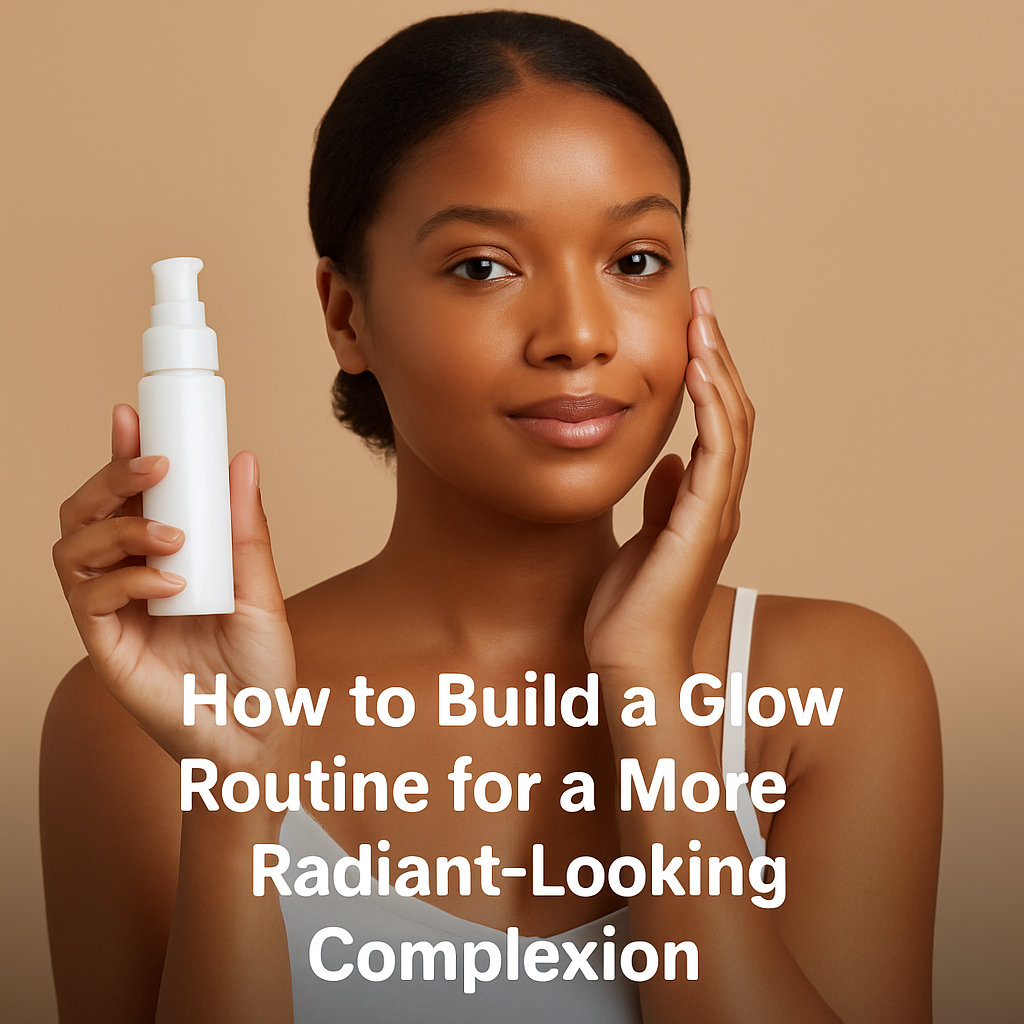
A well-designed glow routine can help the skin look more radiant, smoother, and refreshed. While many complexion concerns come down to hydration, uneven texture, or general dullness, the right combination of gentle exfoliation, moisture, and glow-support ingredients can make a visible difference in how luminous the skin appears.
This editorial guide breaks down how to build a structured, effective glow routine—morning and night—without relying on harsh language or aggressive claims. Instead, it focuses on supportive, cosmetic benefits using widely trusted ingredients and layering techniques.
Understanding What a Glow Routine Actually Does
A glow routine is not about changing your natural skin tone. Instead, it focuses on:
- Supporting the appearance of a more even-looking complexion
- Enhancing the look of brightness and luminosity
- Improving how smooth and refreshed the skin appears
- Reducing the look of dull or tired skin through consistent care
Glow routines work best when you combine:
- A gentle exfoliation rhythm
- Hydrating layers
- Radiance-support serums
- Moisture-locking creams or oils
- Daily SPF (morning only)
Consistency—not intensity—is what makes a glow routine effective.
Morning Routine for a Fresh, Radiant-Looking Complexion
Step 1: Start With a Gentle Cleanser
A mild, non-drying cleanser helps remove overnight buildup without stripping the skin. This preps the complexion so glow-support serums can absorb better.
Step 2: Apply a Hydrating Mist or Toner
A lightweight toner containing soothing or moisture-support ingredients helps the skin look plumper and more refreshed.
Step 3: Use a Radiance-Support Serum
Look for formulations featuring glow-boosting ingredients such as:
- Vitamin C (helps the skin look brighter)
- Niacinamide (supports the appearance of a more balanced tone)
- Fruit enzymes (help improve the look of dull skin)
- Hyaluronic acid (promotes a smoother, more hydrated appearance)
Step 4: Seal With a Moisturizer
Choose a cream or gel texture depending on your climate or skin feel. This step helps maintain softness and enhances the appearance of smoothness.
Step 5: SPF (Non-Negotiable)
UV exposure is one of the top causes of dull-looking skin. A broad-spectrum SPF helps the complexion maintain a healthier, more radiant appearance over time.
Night Routine for Deep Radiance Support
Step 1: Cleanse Thoroughly
Nighttime cleansing removes makeup, sweat, and sunscreen. A clean canvas helps night treatments work more effectively.
Step 2: Gentle Exfoliation (2–3 Nights Per Week)
Glow routines rely heavily on controlled exfoliation. Cosmetic exfoliants like lactic acid or enzyme-based formulas help:
- Improve the appearance of rough texture
- Support a smoother-looking complexion
- Enhance the skin’s natural glow
Avoid scrubs or harsh scrubbing motions.
Step 3: Apply a Hydrating or Tone-Support Serum
Nighttime is ideal for richer glow-support ingredients such as:
- Ceramides
- Peptides
- Niacinamide
- Encapsulated retinol alternatives (if compatible with your skin)
These promote the appearance of renewed, well-rested skin by morning.
Step 4: Lock Everything In With a Moisturizing Cream
Night creams and body-care moisturizers typically have a richer texture, which helps support smoother-looking, more luminous skin by morning.
Step 5: Add Oil for Extra Luminosity (Optional)
A cosmetic face or body oil can be pressed on top of moisturizer to enhance the appearance of softness and light-reflective radiance.
Weekly Add-Ons for an Even More Radiant Look
1. Hydrating Masks
These help the skin look plumper and reduce the appearance of fatigue.
2. Enzyme Polishes
Once weekly, fruit enzyme polishes can gently refine the look of texture.
3. Overnight Sleeping Creams
These formulas support a smoother-looking, more luminous complexion by morning.
Frequently Asked Questions
1. How soon can a glow routine make the skin look more radiant?
Most people notice the complexion looking fresher and more hydrated within 1–2 weeks of consistent use, especially when exfoliation and hydration are balanced.
2. Should I use glow products in the morning or at night?
Both. Morning routines focus on brightness and protection, while nighttime routines focus on moisture and renewal.
3. Can all skin types follow a glow routine?
Yes. The key is adjusting the exfoliation level and moisture richness to suit your skin’s needs.
4. Do glow routines change skin tone?
No. They support the appearance of a more radiant, even-looking complexion without altering natural pigment.
5. What ingredient helps the skin look most luminous?
Vitamin C, niacinamide, hyaluronic acid, fruit enzymes, and peptide-based formulas are commonly used for radiance-support.